Wondering whether a historic Littleton neighborhood or a newer planned area is the better fit for your next move? It is a smart question, because in Littleton, the difference is not just about a home’s age. It can affect your maintenance costs, daily routine, tax bill, and even whether the property is actually inside Littleton city limits. This guide will help you compare the tradeoffs with more clarity so you can move forward with confidence. Let’s dive in.
Why this choice matters in Littleton
Littleton is a city of about 45,652 people spread across 12.6 square miles, and it offers a mix of historic areas, established neighborhoods, parks, trails, and transit access. The city is also largely built out, which means many of the “newer” housing choices are tied to redevelopment or infill rather than large new subdivisions on open land.
That matters because buyers are often comparing very different living experiences. One option may offer historic character and a central location near downtown amenities. Another may offer newer infrastructure, more contemporary layouts, and a more coordinated master-planned feel.
Start with city limits, not just the address
One of the most important first steps in a Littleton home search is confirming whether a property is actually within Littleton city limits. A Littleton mailing address does not always mean the home is inside the city’s jurisdiction.
The city notes that its boundaries are irregular and span Arapahoe, Jefferson, and Douglas counties. It also says that many properties with a Littleton postal address are outside city jurisdiction. If you are comparing neighborhoods, this can affect the local rules, services, and taxes that apply to the property.
What defines Littleton’s historic and older neighborhoods
Littleton’s older neighborhoods often appeal to buyers who want established surroundings, mature landscaping, and a stronger connection to the city’s history. In and around downtown, that history is especially visible.
Downtown Littleton’s historic core
Downtown Littleton centers on Main Street and Alamo Avenue. The city created the Downtown Littleton Historic District to recognize and preserve the area’s cultural, social, and architectural history while supporting civic pride, visitor activity, and economic vibrancy.
Historic district status does not freeze a neighborhood in time. The city makes clear that change and new construction can still happen, but designated properties are subject to demolition review and exterior alteration review so updates remain compatible with the district.
Louthan Heights and early residential character
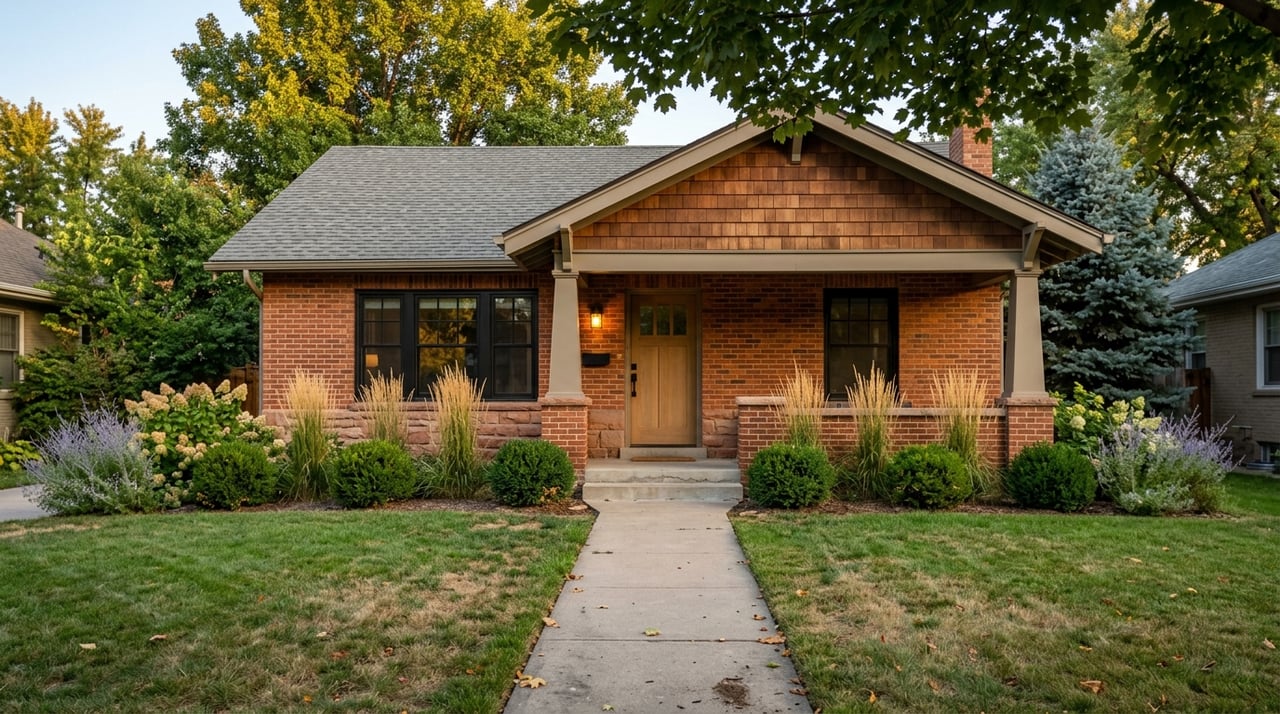
Louthan Heights is one of the clearest examples of historic residential Littleton. The city says the 5600 block of South Louthan Street contains the city’s first local historic landmark district, with 13 of the 17 homes built between 1921 and 1929.
The area is known for its Craftsman-style homes. For some buyers, that type of architectural identity is a major draw. The city also notes that qualifying structures in the district may receive a 50 percent rebate of the city’s property-tax portion if they are maintained appropriately.
Postwar neighborhoods and larger lots
Not every older Littleton neighborhood is a formal historic district. Many postwar neighborhoods have their own appeal, especially for buyers who value lot size and a less uniform street pattern.
According to the city’s historic survey, some early suburban areas in Littleton featured larger lots and curving streets rather than the tighter layout many buyers associate with newer subdivisions. In places like Windermere Homes Tract No. 1 and later subdivisions, lot sizes often reflected a more spacious pattern than what some newer housing formats offer today.
What defines newer Littleton neighborhoods
Newer Littleton neighborhoods often attract buyers who want more modern layouts, newer systems, and amenities shaped by a coordinated plan. In Littleton, though, “newer” often means redevelopment rather than expansion into untouched land.
Redevelopment shapes many newer options
Because Littleton is already largely developed, newer housing choices are often tied to infill or redevelopment projects. The city’s planning framework distinguishes established and new neighborhoods and uses a character-based approach that considers layout, density, scale, form, and the balance between buildings, paving, and open space.
For buyers, that means newer housing in Littleton may feel more intentional in design and infrastructure, but it may also look different from a traditional detached-home subdivision. Attached homes, apartments, mixed-use settings, and shared amenities can be part of the picture.
Santa Fe and Mineral as a current example
A major example is the 110-acre redevelopment near Santa Fe and Mineral. The city says the former Ensor site is being transformed into two master-planned developments: Santa Fe Park and RiverPark.
Santa Fe Park is expected to be largely residential, with about 400 attached single-family homes and a 243-unit apartment complex. RiverPark is planned to include multifamily housing, restaurants, retail, and a possible restaurant or event venue, along with improved bicycle and pedestrian connections to RTD’s Mineral Station.
TrailMark and the southwest exception
TrailMark is another area buyers may encounter when searching for a Littleton home. The city describes it as a southwest-corner exception to Littleton’s usual boundary pattern.
This matters because it reinforces the bigger point: the name “Littleton” can describe a mailing address, a broader community identity, or a property actually inside city limits. If you are comparing older central neighborhoods with areas farther southwest, verify the jurisdiction before making assumptions.
Historic vs. newer: the biggest tradeoffs
The right choice usually comes down to how you weigh character, convenience, maintenance, and long-term costs. Here are the main factors to compare.
Maintenance and updates
Older homes often come with more upkeep. Littleton’s comprehensive plan notes that aging housing stock creates opportunities for revitalization, but it also creates challenges for owners who may struggle to maintain or upgrade their homes.
If you love a historic or established neighborhood, make room in your planning for repairs, system updates, and ongoing exterior maintenance. In some areas, city code compliance and preservation standards may also shape what work gets done and how.
Newer homes and redevelopment projects often reduce near-term maintenance concerns. Newer systems, materials, and infrastructure can make day-to-day ownership more predictable, especially if you want less immediate project work after closing.
Layout and lot style
Older Littleton neighborhoods often offer more variation. You may find curving streets, irregular lot patterns, and homes that sit on lots with a different feel than modern tract development.
Newer planned communities may offer a more coordinated look and more contemporary floor plans. In some cases, that also means attached housing, multifamily options, and a stronger emphasis on shared open space rather than larger private lots.
Transit and daily convenience
If access to downtown Littleton, rail, trails, and civic amenities matters to you, central older neighborhoods may have an edge. The city highlights its historic downtown, trail system, parks, and two light rail stations, and RTD identifies those stations as Littleton/Downtown Station at 5777 S Prince Street and Littleton/Mineral Station at 3203 W Mineral Avenue.
Ketring-Gallup Park also adds to the appeal of central living. The city’s master plan places this 55.5-acre park campus about a mile southeast of historic downtown near Bemis Library and the Littleton Museum, with trails, mature trees, and a role as one of the city’s cultural cores.
Farther-out areas may still offer access to open space and newer infrastructure, but transit may feel less central to daily life. In those areas, driving may play a bigger role in how you get around.
Fees, taxes, and governance
This is one of the most overlooked parts of the decision. In newer subdivisions or planned developments, buyers should ask whether the property is part of a metro district, an HOA, or both.
The city says metro districts are often created by developers to finance infrastructure such as roads, sewer, drainage, and parks. It also notes that metro district taxes and fees are added to homeowners’ annual property-tax bills. That is different from an HOA, which is private and cannot tax residents.
Historic rules and flexibility
If you are considering a home in a historic district or landmark district, ask what exterior review rules apply. The city’s preservation framework is designed to keep changes compatible with the district, which can help preserve neighborhood character over time.
That can be a plus if you value consistency and long-term stewardship. It can also mean more process when you want to make exterior changes, so it is worth understanding those rules before you buy.
How to decide which fit is right for you
The best neighborhood choice usually starts with your lifestyle, your tolerance for upkeep, and the type of ownership experience you want. A historic area may be the better fit if you want centrality, established surroundings, and architectural character.
A newer planned area may make more sense if you want a more current layout, less immediate maintenance, and community features shaped by a broader development plan. Neither option is automatically better. The goal is to match the property to the way you actually want to live.
Questions to ask before you buy
Before you move forward on any Littleton property, it helps to ask a short list of practical questions:
- Is the property inside Littleton city limits, or does it only have a Littleton mailing address?
- Is the home in a historic district or landmark district?
- What exterior review requirements apply, if any?
- How much updating or maintenance should you expect based on the age of the home?
- Are there HOA dues, metro-district taxes, or both?
- How close is the home to downtown Littleton, parks, trails, and light rail?
These questions can quickly clarify whether a neighborhood fits your budget, timeline, and comfort level.
Choosing between historic and newer neighborhoods in Littleton is really about understanding tradeoffs before you commit. With the right planning, you can narrow your options based on how you want to live, what level of upkeep you are comfortable with, and which costs or rules come with the area you choose. If you want a calm, advice-first approach to comparing Littleton neighborhoods, Novella Real Estate can help you evaluate the details with clarity.
FAQs
Is a Littleton mailing address the same as being in Littleton city limits?
- No. The city says many properties with a Littleton postal address are outside Littleton city jurisdiction, so you should confirm the actual location before buying.
What should buyers know about historic districts in Littleton?
- If a home is in a historic district or landmark district, exterior changes and demolition may be subject to city review so updates remain compatible with the district.
Are newer Littleton neighborhoods always brand-new subdivisions?
- No. Because Littleton is largely built out, many newer housing options come through redevelopment or infill rather than development on open land.
What costs should buyers compare in newer Littleton communities?
- Ask whether the property has HOA dues, metro-district taxes, or both, since metro district charges are added to the annual property-tax bill.
Why do older Littleton neighborhoods appeal to some buyers?
- Many buyers are drawn to historic character, established parks and trails, central access to downtown Littleton, and lot patterns that can feel less uniform than newer planned housing.
What is a current example of newer planned housing in Littleton?
- The Santa Fe and Mineral redevelopment includes Santa Fe Park and RiverPark, with planned residential housing, mixed-use elements, and improved pedestrian and bicycle access to Mineral Station.